Call for Posters & Demos

Call for posters & Demos

OSF2019 gives the opportunity to selected projects, organisations and initiatives to present their work and ideas addressing one of the conference topics. 

The call for Posters & Demos is an opportunity for individuals, teams and projects to showcase the latest knowledge and potential solutions to support Open Science and FAIR data in the academic, commercial or public environment.

The deadline for submissions is May 22, 2019.

Topics of interest

Topics of interest include:

Infrastructures for Open Science: services, methods, networks
Open Access Platforms for all research artifacts
Next Generation of Repositories
Infrastructures for responsible metrics

European Open Science Cloud (EOSC)
FAIR data policy and practice: from theory to implementation
EOSC in national settings
Thematic Clouds

RRI and Open Science: bridging the gap
Citizen Science and Public and Societal Engagement
Governance settings for Institutional embedded RRI and OS

Training and skills for Open Science
Sustaining Open Science training: people and resources
FAIR competences for Higher Education

Policies, Evaluation and Legal issues
PlanS - principles, guidelines and implementation services
Responsible metrics and research assessment
GDPR and IPR exploitation
Rules of Participation in EOSC

Innovative publishing and research dissemination
Alternative publishing models
Open Peer Review
Innovation on science communication

Value added data products/services from Open Science
Research analytics and visualizations
Text and data mining for/from research

Submit your proposal

Guidance

Authors are asked to submit a short proposal (300 - 500 words) that describes the main contributions of the Poster / Demo. Proposals should contain a brief abstract, place an emphasis on the motivation for the work, and summarize contributions being presented. For Posters, preliminary results may also be included.

  • Abstract length: maximum 300 words.
  • The language of the conference will be English; therefore, the abstract must be in this language.
  • All submitted abstracts will be peer-reviewed by members of the Conference Programme Committee based on the criteria mentioned above.

Authors of accepted poster proposals will be provided instructions for preparing the posters. Stands/tripods will be provided to display all accepted posters.

Authors of accepted demo proposals will be provided instructions for the demo presentations. Stands with a screen will be provided to display all accepted demos.

POSTER TEMPLATE:  .DOCX 

Evaluation

Poster and Demo proposals will be evaluated primarily on their potential to stimulate interesting discussions, facilitate the exchange of ideas, and promote collaborations. Additional criteria are:

  • Relevance
  • Impact on the wider community
  • Level of innovation
  • Originality
  • Openness and Fairness of the solution / method / product
  • Quality of the abstract

Special consideration will be given to ensure that a variety of topics and geographical / cultural range will be represented.
Applications will be evaluated by the Conference Programme Committee.

Important dates

  • Abstract submission deadline: May 17, 2019 | 22 May, 2019
  • Notification of acceptance / rejection:  3 June, 2019 | 14 June, 2019
  • Final abstract and poster submission:  
  • Conference Dates: 16 – 18 September, 2019

Contact


Send an inquiry

If you have any questions, don't hesitate to contact us at This email address is being protected from spambots. You need JavaScript enabled to view it.

Continue reading

Call for Posters

Call for Posters

OS FAIR 2023 gives the opportunity to individuals, organisations and initiatives to present their work and ideas addressing one of the conference topics. 

The call for posters is an opportunity for individuals and teams to showcase the latest knowledge and potential solutions to support open access and open science in the academic, commercial or public environment.

THE DEADLINE FOR SUBMISSIONS IS NOW EXTENDED! SUBMIT YOUR PROPOSAL

BY APRIL 30th 2023.

Topics of interest

Topics of interest include:

Advancing and reforming research assessment (RRA) and Open Science; connections, barriers and way ahead

  • Alternative assessment approaches
  • How to value all contributions to the scholarly process?
  • Equity, diversity, and inclusion
  • Funding & institutional support

AI impact on Open Science and Open Science impact on AI

  • AI tools and platforms impact for research
  • Ethical considerations
  • Natural Language processing, Machine Learning and Knowledge Representation
  • Copyright and legal aspects (text and data mining, reproducibility, transparency, reusability of training and trained models and access to training materials for reproducibility)

Innovation & disruption in scholarly publishing

  • New emerging publishing models
  • Diamond Open Access; regional initiatives, projects and plans
  • Rights Retention; primary and secondary publishing rights, 
  • Multilingualism in academic publishing

FAIR Data, software & hardware

  • Collaborative development
  • Open licensing and the new wave of EU data legislation.
  • Reproducibility
  • Interoperability 

Openness in research & education

  • Open Education
  • Open Educational resources (OERs)

Public Engagement & Citizen Science

  • Community driven research initiatives
  • Tools and technology for public engagement
  • Open data and scientific literacy

Submit your proposal

Please use templates below as a guide*

*note that you have to copy all details of your proposal in the submission portal (in the abstract section).

Guidance

Authors are asked to submit a short proposal that describes the main contributions of the poster. Proposals should contain a brief abstract, place an emphasis on the motivation for the work, and summarize contributions being presented. Preliminary results may also be included. 

- Abstract length should be a minimum of 300 words and should not exceed 500 words.
- The language of the conference will be English; therefore, the abstract must be in this language.
- All submitted abstracts will be peer-reviewed by members of the Conference Programme Committee.

Please make sure to copy all information included in the template directly in the abstract section that you can find in the submission portal

Authors of accepted poster proposals will be provided instructions for preparing the posters. Stands/tripods will be provided to display all accepted posters.

POSTER TEMPLATE:  .DOCX .ODT 

Evaluation

Poster proposals will be evaluated primarily on their potential to stimulate interesting discussions, facilitate the exchange of ideas, and promote collaborations. Additional criteria are:

  • Relevance
  • Impact on the wider community
  • Level of innovation
  • Originality
  • Openness and Fairness of the solution / method / product
  • Quality of the abstract

Special consideration will be given to ensure that a variety of topics and geographical / cultural range will be represented.
Applications will be evaluated by the Conference Programme Committee (blind peer review).

Important dates

  • Abstract submission deadline: 30 April, 2023
  • Notification of acceptance / rejection:  June, 2023
  • Conference Dates: 25 – 27 September, 2023

Please note that the Open Science Fair 2023 is intended to be an in-person event. We expect all contributors (or their representatives) to be able to attend the conference on the premises.

Contact


Send an inquiry

Continue reading

Call for Lightning talks & Demos

Call for lightning talks & demos

Now closed - 59 lightning talks & 21 demos submitted

OSF2021 gives the opportunity to individuals, organisations and initiatives to present their work and ideas addressing one of the conference topics. 

The call for Lightning talks & Demos is an opportunity for individuals, teams and projects to showcase the latest knowledge and potential solutions to support Open Science and FAIR data in the academic, commercial or public environment.

The deadline for submissions is July 26 Aug 2, 2021.

Topics of interest

Topics of interest include:
Interdisciplinary collaborations: Networks, services, methods
Sharing best practices and knowledge
Legal aspects of open science; GDPR and IPR exploitation
Responsible metrics and research assessment
Interoperability across domains and services 
RDM best practices
 
Sustaining Open infrastructures, services and tools for research communities
Collaborative platforms for all research artifacts
Innovations in publishing and research dissemination
Collective funding models for open infrastructures and services
 
Value added data products/services from open science
Research analytics and visualizations
Text and data mining for/from research
Open metrics infrastructures: how to combine, what is next?
 
Training and skills for open science
Sustaining open science training: people, resources, governance
Skills within the wider research context
Assessment frameworks for trainers and researchers
Competence centers: models, integration and coordination
 
European Open Science Cloud (EOSC) and FAIR data
FAIR data policy and practice: from theory to implementation
National EOSC initiatives
Thematic Clouds
Rules of Participation in EOSC
 
Citizen science: barriers and opportunities for collaboration
Local and global collaborations: people and networks
Citizen science open science practices and policies
Infrastructures and services for citizen science

Submit your proposal

Please use templates below

Guidance

Authors are asked to submit a short proposal (300 - 500 words) that describes the main contributions of the Lightning talk / Demo. Proposals should contain a brief abstract, place an emphasis on the motivation for the work, and summarize contributions being presented.

  • Abstract length: maximum 300 words.
  • The language of the conference will be English; therefore, the abstract must be in this language.
  • All submitted abstracts will be peer-reviewed by members of the Conference Programme Committee based on the criteria mentioned above.

Authors of accepted poster proposals will be provided instructions for preparing the posters. Stands/tripods will be provided to display all accepted posters.

Authors of accepted lightning talk proposals will be asked to record their sessions. Virtual rooms will be provided for discussions with the audience.

Authors of accepted demo proposals will be provided instructions for the demo presentations. Stands with a screen will be provided to display all accepted demos.For demos you would need to state how you would interact with the audience.

For lightning talks we will apply the 24/7 rule: 7 minute presentations comprising no more than 24 slides. Successful presentations are fast paced and have a clear focus on one idea.

LIGHTNING TALK TEMPLATE:  .DOCX .RTF

DEMO TEMPLATE:  .DOCX .RTF

Evaluation

Demos and Lighning talk proposals will be evaluated primarily on their potential to stimulate interesting discussions, facilitate the exchange of ideas, and promote collaborations. Additional criteria are:

  • Relevance
  • Impact on the wider community
  • Level of innovation
  • Originality
  • Openness and Fairness of the solution / method / product
  • Quality of the abstract

Special consideration will be given to ensure that a variety of topics and geographical / cultural range will be represented.
Applications will be evaluated by the Conference Programme Committee.

Important dates

  • Abstract submission deadline:  26 July, 2021 2, Aug, 2021
  • Notification of acceptance / rejection:  27 August, 2021
  • Final abstract and video recording submission:  Sept 10, 2021
  • Conference Dates: 20 – 23 September, 2021

Contact


Send an inquiry

If you have any questions, don't hesitate to contact us at This email address is being protected from spambots. You need JavaScript enabled to view it.

Continue reading

Call for Posters

Call for Posters & Demos

OS FAIR 2025 gives the opportunity to individuals, organisations and initiatives to present their work and ideas addressing one of the conference tracks. 

The session for posters and demos will take place during the reception on Monday evening. Posters, preferably in format A0 will be displayed for networking and engagement opportunities.

Instead of a classical poster, we also invite you to submit a proposal for a demo. This can be a tool, a website, or anything you have been working on and want to show to the community. All materials presented in this session will be published online after the conference through Zenodo.

THE DEADLINE FOR SUBMISSIONS IS 16th MAY 2025

Conference Tracks

Contributions to the main tracks may include, but are not limited to, the following topics:

Cross-cutting themes:

AI in Open Science | Policies for Equity & inclusion

Beyond Compliance: Measuring and Maximizing Open Science Impact

  • Societal Impact
  • Open Science in a context of competitiveness, research security, and dual use
  • The influence of Open Science on policy
  • Monitoring showing the impact of Open Science

Open, but at What Cost? Research Security & Open Science

  • Balancing openness and security
  • Dual-use and ethical risks
  • AI risks in Open Science
  • Global competitiveness & openness
  • Trust and governance
  • Technical implementations to support open science

Building the Digital Backbone: Open Science Infrastructures

  • Repositories and metadata
  • Diamond Open Access
  • AI-enhanced infrastructures
  • Sustaining Open Science infrastructure
  • Federated and national infrastructures

Rethinking Research Assessment

  • Beyond impact factors
  • Collaborative assessment models
  • Open Science & career progression
  • Policy perspectives on assessment reform
  • AI in peer review

Open Science for All: Skills & Community

  • Training Open Science skills
  • Community engagement
  • AI literacy for researchers, support staff, funders
  • Open Science in education

Submit your proposal

Please use templates below as a guide*

*note that you have to copy all details of your proposal in the submission portal (bottom right of the Call for Contributions tab).

Guidance

Authors are asked to submit a short proposal (150 - 250 words) that describes the main contributions of the poster or demo. Proposals should contain a brief abstract, place an emphasis on the motivation for the work, and summarise contributions being presented. If you are submitting a poster, preliminary results may also be included. 

- Abstract length should be a minimum of 150 words and should not exceed 250 words.
- The language of the conference will be English; therefore, the abstract must be in this language.
- All submitted abstracts will be peer-reviewed by members of the Conference Programme Committee.

Please make sure to copy all information included in the template directly in the abstract section that you can find in the submission portal

The poster and demo session will take place in person during the reception on Monday evening. Posters, preferably in format A0 will be displayed for networking and engagement opportunities. Additionally, posters and demos will be published online after the conference through Zenodo.

POSTER TEMPLATE:  .DOCX .ODT 

Evaluation

Poster and demo proposals will be evaluated primarily on their potential to stimulate interesting discussions, facilitate the exchange of ideas, and promote collaborations. Additional criteria are:

  • Relevance
  • Impact on the wider community
  • Level of innovation
  • Originality
  • Openness and FAIRness of the solution / method / product
  • Quality of the abstract

Special consideration will be given to ensure that a variety of topics and geographical / cultural range will be represented.
Applications will be evaluated by the Conference Programme Committee.

Travel support

We can offer limited travel support for speakers from low and middle income countries. If you are selected and would like to benefit from this support, please reach out to us.

Important dates

  • Abstract submission deadline: 16 May, 2025
  • Notification of acceptance / rejection: 6 June, 2025
  • Conference Dates: 15 – 17 September, 2025

Please note that the Open Science Fair 2025 is intended to be an in-person event. We expect all contributors (or their representatives) to be able to attend the conference on the premises.

Contact


Send an inquiry

Continue reading

About Porto

Get to know the City

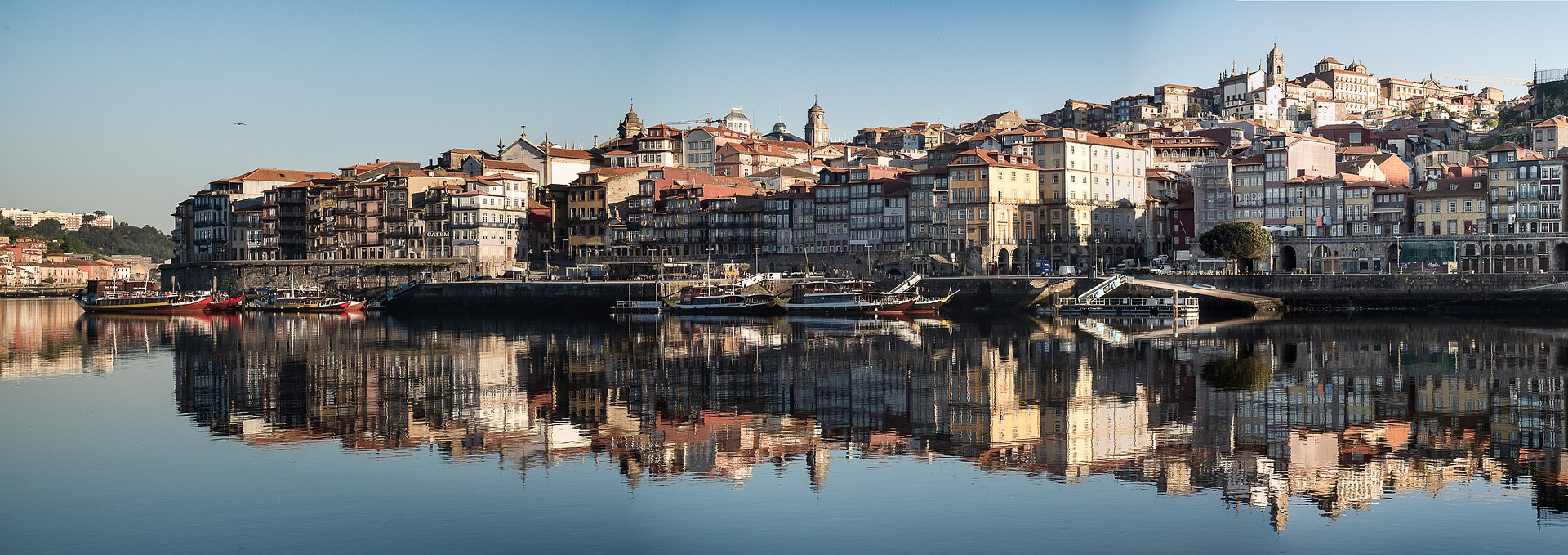
Know more about the history of this secular city, come and visit the picturesque corners and get lost between spaces, light and unforgettable images.

The New Customs House of Porto will be our venue, a building with more than 150 years, recovered by the hand of the famous portuguese architect Eduardo Souto de Moura. Here are all the ingredients for 3 excellent days in Porto!

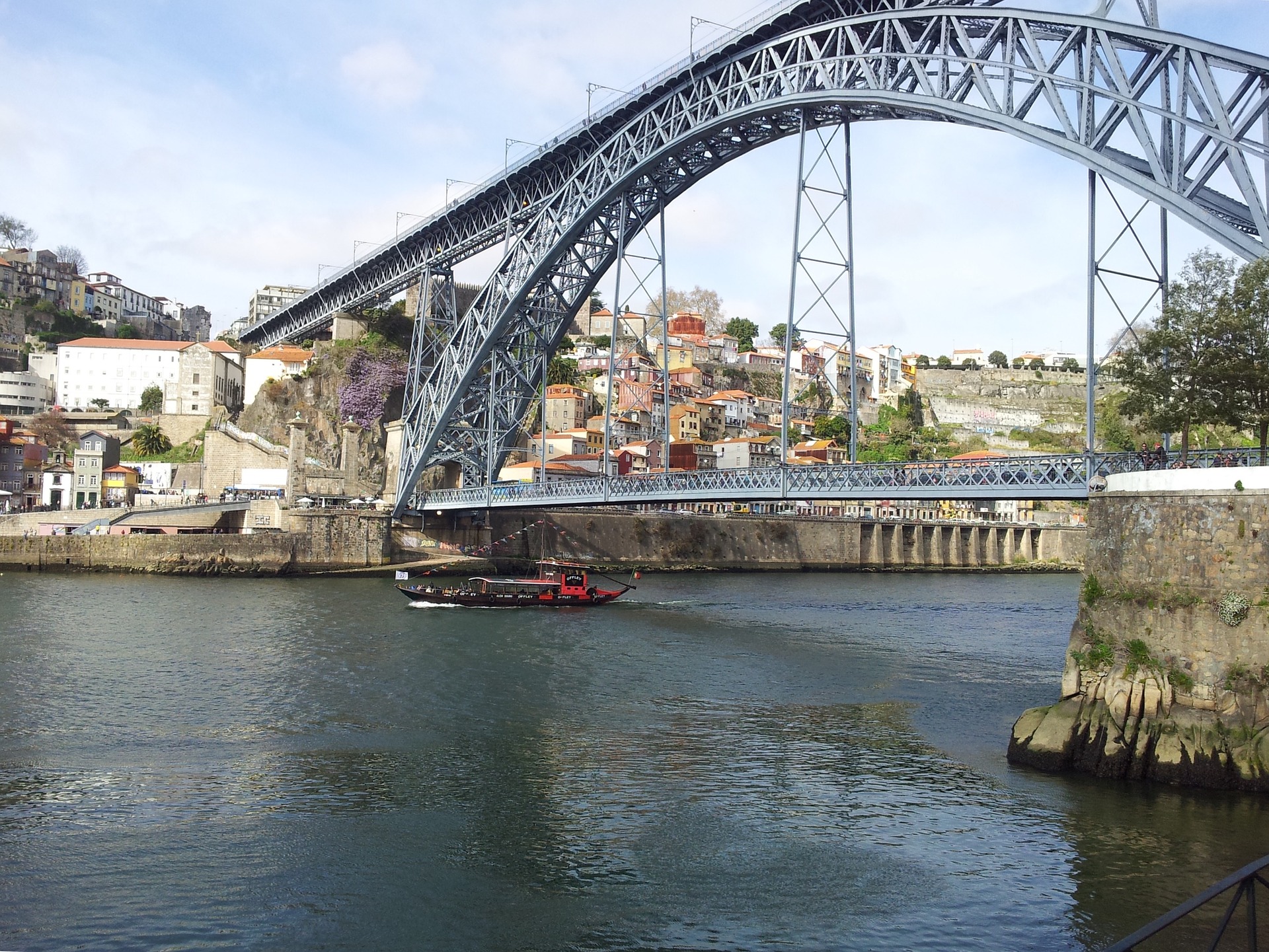
  • Luis I Bridge, Gaia Quay view
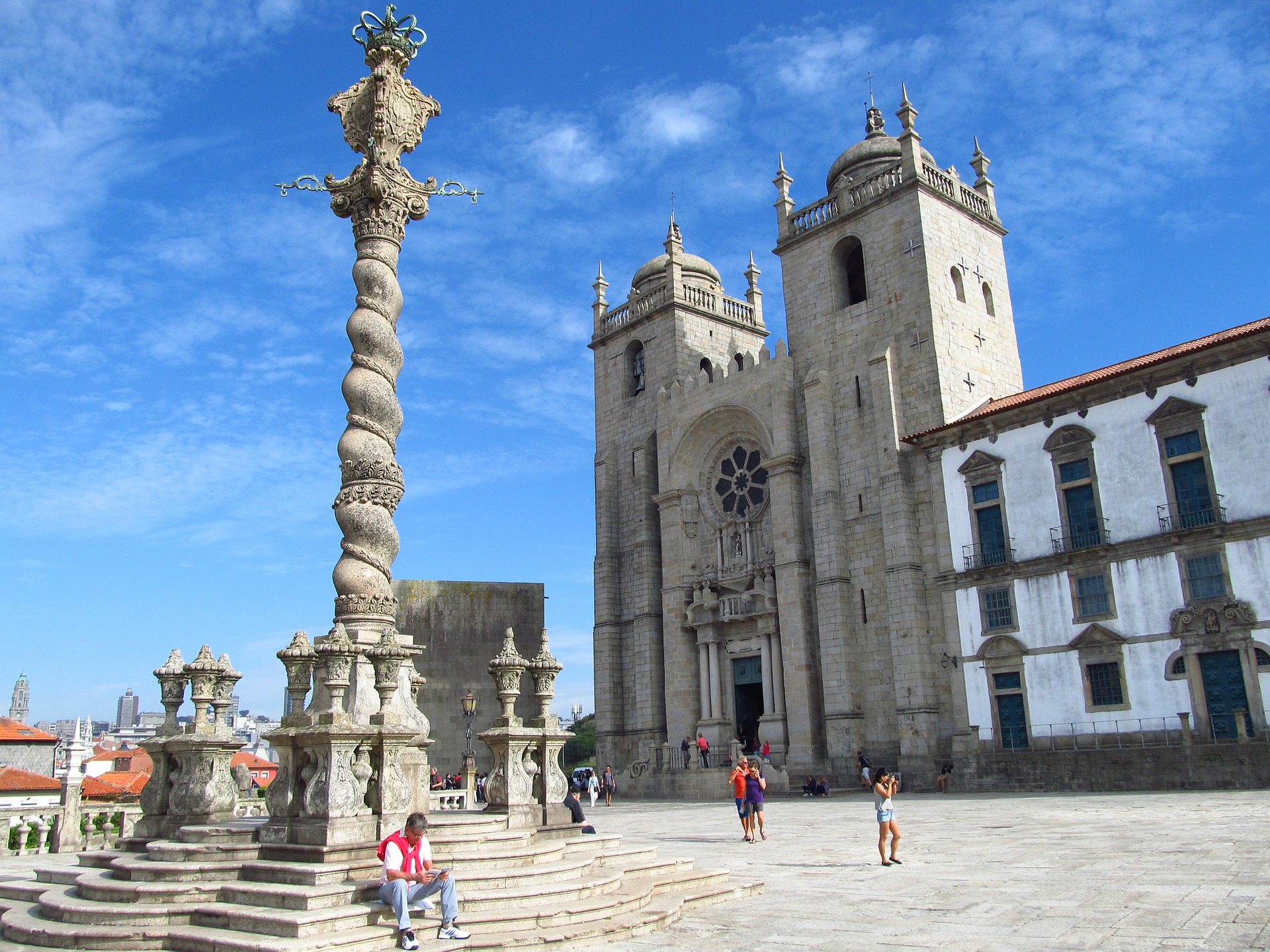
  • Cathedral of the city of Porto

What to do

What you can see, know and visit outside the Open Science FAIR:
- TOP sights in Porto 
- Tasting suggestions
City Exlibris (Wine Cellars)


Some APPs to use in the city

Check here some apps to use in the city!


Continue reading